
Adult ADHD Screening With Confidence: A Complete Guide to the ASRS
Take Adult ADHD Assessment Test
Get StartedWhy This Screening Tool Matters for Adults
Attention challenges are not limited to childhood, and many people reach adulthood without a name for their lifelong struggles with focus, organization, and impulsivity. When deadlines slip or conversations drift, it can feel like an internal tug-of-war that affects careers, relationships, and self-esteem. A trustworthy, quick-to-complete screener gives adults a safe and structured way to reflect on patterns that may indicate attention-deficit/hyperactivity concerns. The right questionnaire also helps clinicians standardize first impressions before moving into a full evaluation.
Modern screening tools are designed to be brief yet rigorous, offering clear wording and evidence-based symptom probes that match diagnostic criteria. In this landscape, the adult ADHD self-report scale stands out for its validation history, ease of use, and widespread adoption across primary care, mental health clinics, and research. People appreciate how it turns subjective experiences into concrete indicators that can be monitored and discussed. Clinicians, in turn, value how the results can be interpreted consistently across visits and providers, improving care continuity and referral quality.
- Fast completion time without sacrificing clinical relevance
- Plain-language items that map to core attention and hyperactivity domains
- Useful for initial triage and ongoing symptom tracking
What the ASRS Is and How It Works
This instrument functions as a self-administered questionnaire that benchmarks daily behaviors like forgetfulness, restlessness, and distractibility. Each item asks about frequency, which helps quantify how often real-life situations are affected. The structure supports both self-awareness and transparent communication with a care professional. Because the items align with established diagnostic frameworks, the results can inform whether a more comprehensive assessment is warranted.
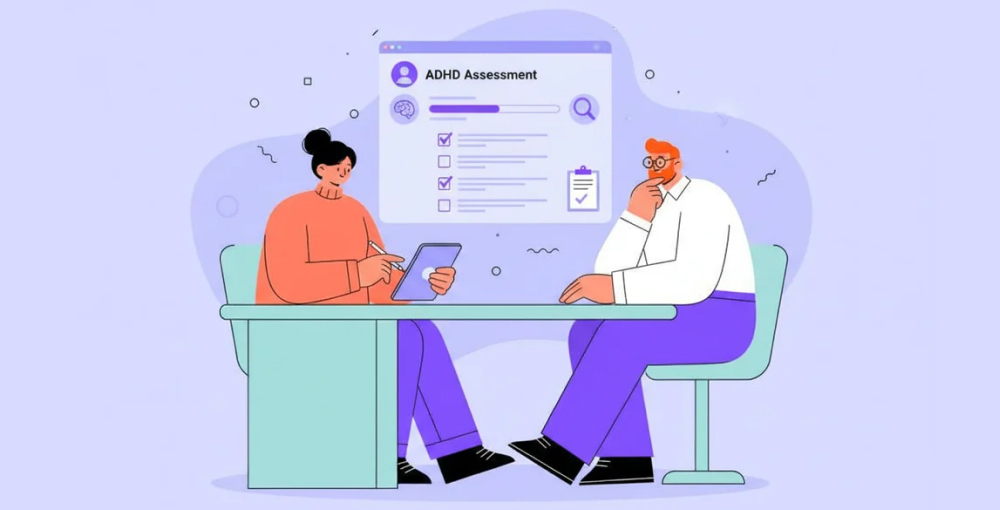
Clinicians often introduce the adult ADHD self-report scale asrs during intake or early sessions to capture a baseline before deeper history taking. Respondents answer each question using a simple frequency scale ranging from “never” to “very often,” and that simplicity helps reduce confusion or response fatigue. After the form is scored, providers can discuss which areas appear most impacted, how symptoms cluster, and what factors might be amplifying or masking the picture. This conversational bridge is one reason the tool is favored in both busy clinics and telehealth settings.
- Captures both inattentive and hyperactive-impulsive traits
- Transforms subjective experiences into quantifiable patterns
- Facilitates collaborative treatment planning and follow-up
Versions, Item Structure, and Format
Over the years, the questionnaire has evolved to improve clarity and clinical sensitivity while keeping the form accessible. The best-known edition uses a two-part layout that prioritizes the most predictive items first, then expands into a wider set of behaviors. That design reduces burden for screening while still allowing a more granular view when needed. In practice, organizations may integrate the form into patient portals, use paper copies in waiting rooms, or deploy secure digital survey links.
Among the validated editions, many practitioners reference the adult ADHD self-report scale asrs-v1.1 for its research pedigree and global reach. The items were refined to mirror diagnostic constructs while avoiding jargon that could confuse respondents. As a result, the instrument tends to yield consistent data across diverse care contexts. This consistency matters when people change providers or seek accommodations at school or work, because scores can be interpreted similarly across settings.
For quick triage, the most predictive questions are often presented first as a concise group sometimes described as the adult ADHD self-report scale asrs-v1.1 symptom checklist. Those items focus attention on the highest-yield indicators of impairment, which helps busy clinicians spot red flags earlier. If those initial responses are elevated, the full set of items adds depth and helps distinguish persistent patterns from situational stressors or sleep-related lapses. This stepwise approach balances efficiency with thoroughness.
Scoring, Interpretation, and What Results Mean
Every screening tool benefits from clear scoring rules, and this one is no exception. Responses are typically tallied with attention to how often an item crosses a clinical threshold on the frequency scale. Part A, the initial cluster of questions, carries particular weight, whereas Part B provides supporting context and additional symptom coverage. That split allows for a rapid signal while preserving nuance, aiding both triage and longitudinal tracking over time. Interpreting the output involves comparing scores to suggested cutoffs and then incorporating clinical judgment.
| Section | Typical Focus | Indicative Pattern |
|---|---|---|
| Part A | Most predictive items | Multiple “often/very often” responses may suggest elevated risk |
| Part B | Broader symptom context | Additional elevations strengthen the case for full evaluation |
| Overall | Composite impression | Scores inform, but do not replace, a comprehensive clinical assessment |
Because frequency anchors are simple, the adult ADHD self report scale scoring process can be done quickly without specialized software. Providers still consider confounders like anxiety, depression, sleep deprivation, and medication effects when interpreting results. The best practice is to treat scores as a gateway to conversation about functional impact at work, at home, and in social settings. Follow-up might include history taking, collateral input from partners or family, and cognitive or learning screenings.
Many clinics document thresholds and next steps using internal protocols informed by the adult ADHD self report scale asrs v1 1 scoring conventions. Those workflows specify when to refer for diagnostic evaluation, when to gather more data, and when to monitor over time. This reduces variability across providers and helps patients understand what comes next. Even with structure in place, individualized judgment remains essential to account for context, culture, and co-occurring conditions.
Benefits, Real-World Uses, and Everyday Value
People appreciate tools that translate lived experiences into something tangible that can be discussed without shame or stigma. In real life, task switching, procrastination, and time blindness can erode confidence and strain relationships, and it helps to have language for these challenges. When a screening result highlights patterns that match personal struggles, it can be validating and clarifying. Many users report that the adult ADHD self report journey becomes a turning point toward seeking support, adopting strategies, and building self-compassion.
Clinicians and coaches also rely on structured self-ratings to track progress over time, aligning interventions with individualized goals. As habits change and environmental supports improve, scores may shift in meaningful ways that reflect better daily functioning. The data can guide discussions about cognitive behavioral techniques, workplace accommodations, and productivity systems that reduce friction. For people seeking a concise snapshot, the adult self report ADHD format keeps the focus on actionable insights rather than abstract labels.
- Establishes a baseline for monitoring response to treatment
- Supports documentation for academic or workplace accommodations
- Encourages collaborative, stigma-aware dialogue about symptoms
Special Considerations: Gender, Culture, and Context
Not everyone presents the same way, and that includes differences shaped by gender, culture, and life stage. Many adults learn to camouflage difficulties by over-preparing, working late, or avoiding tasks that trigger overwhelm. These adaptations can reduce visibility of symptoms while increasing stress, so a sensitive screener offers a chance to surface patterns that may be hidden. Cultural expectations can also influence how restlessness or distraction is perceived, making standardized wording particularly helpful.
Women and nonbinary adults often describe internalized restlessness, mental clutter, and exhaustion from masking, which may be overlooked in brief appointments. As awareness rises, more people are using tools that speak to their experiences and support early dialogue with a clinician. In that context, some find that an adult women ADHD self test lens helps capture nuances like hormonal influences, caregiving load, and perfectionism. A trauma-informed approach further ensures that screening is compassionate and contextually grounded.
How to Take the Screener and What to Do Next
It helps to complete the questionnaire in a quiet setting where you can reflect on typical weeks rather than unusual days. If you can, consider asking a trusted person to provide observations about patterns they notice, which can enrich subsequent conversations. After scoring, the next step is to discuss results with a qualified clinician who can evaluate co-occurring factors like anxiety, sleep issues, or learning differences. For those beginning their exploration, the ADHD self assessment adults pathway is a practical gateway to informed care.
Once you have an initial snapshot, map your daily friction points and identify quick wins such as calendar automation, task batching, and external reminders. Small environmental tweaks can meaningfully reduce overwhelm while you pursue a fuller evaluation. If results suggest elevated risk, consider scheduling a comprehensive appointment that includes developmental history and current functioning. People often pair their responses with a broader adult ADHD self assessment to ensure nothing important is missed along the way.
- Set aside uninterrupted time and answer honestly about typical weeks
- Bring examples of work or home challenges to your appointment
- Track two to three behaviors over a month to monitor change
FAQ: Quick Answers About This Screening Tool
Is this questionnaire a diagnosis?
No, it is a screening instrument that highlights patterns warranting further evaluation by a licensed clinician. Results should be interpreted alongside history, functioning, and possible co-occurring conditions. Screening is the first step, not the final word on diagnosis or treatment planning.
How long does it take to complete?
Most people finish in a few minutes, which makes it easy to use during intake, telehealth visits, or between sessions. The brevity encourages honest, consistent responses without fatigue. Short completion time also supports routine monitoring as part of ongoing care.
Can I use the form for progress tracking?
Yes, repeating the questionnaire at regular intervals can help visualize changes in attention, impulsivity, and organization. Providers often compare baseline and follow-up responses to guide adjustments in behavioral strategies or medication plans. This approach brings objectivity to everyday experiences.
What edition do clinics often reference?
Many settings rely on a validated version that maps closely to diagnostic criteria while keeping the wording clear and accessible. Because it has strong research support and practical utility, clinicians frequently discuss the asrs adult ADHD self report scale when explaining what to expect. Consistency across providers improves continuity of care.
What should I do if my results seem elevated?
Consider booking a comprehensive evaluation that includes a detailed history, collateral input if available, and screening for conditions that can mimic attentional difficulties. In the meantime, try simple supports like structured routines, task chunking, and sleep hygiene. Early, supportive action can reduce stress while you pursue answers.