
Online ADHD Evaluation and Support for Adults: A Comprehensive Guide
Take Adult ADHD Assessment Test
Get StartedUnderstanding Digital ADHD Screening and Why It Matters
For many adults, attention challenges show up as missed deadlines, scattered priorities, and a constant sense of playing catch‑up. Modern digital tools make it simpler to explore these patterns in a private, low‑pressure way, so people can decide whether to pursue a full, clinician‑led evaluation. This guide explains how web‑based screeners work, what they can and cannot tell you, and how to move from insight to action without guesswork or overwhelm. You will find practical advice on reliability, privacy, costs, and care pathways that turn clarity into meaningful daily improvements.
Many readers discover that online ADHD testing for adults fits into their lives more easily than in‑clinic screening, thanks to flexible scheduling and private environments. Beyond convenience, the best platforms also contextualize results, emphasize informed decision‑making, and avoid “one‑size‑fits‑all” labels. With thoughtful use, self‑report instruments can highlight patterns in attention, memory, task initiation, and self‑regulation that merit a professional conversation. The aim is not to replace a clinician but to illuminate whether further investigation is prudent.
When results suggest clinically significant symptoms, next steps can include a referral pathway for adult ADHD diagnosis online, coordinated through licensed telehealth clinicians. A quality workflow collects history from childhood forward, screens for look‑alike conditions, and documents functional impairment across work, relationships, and daily routines. This measured approach balances speed with rigor, helping adults translate data into a plan that actually improves life at home and on the job.
How Web‑based Screeners Work, Step By Step
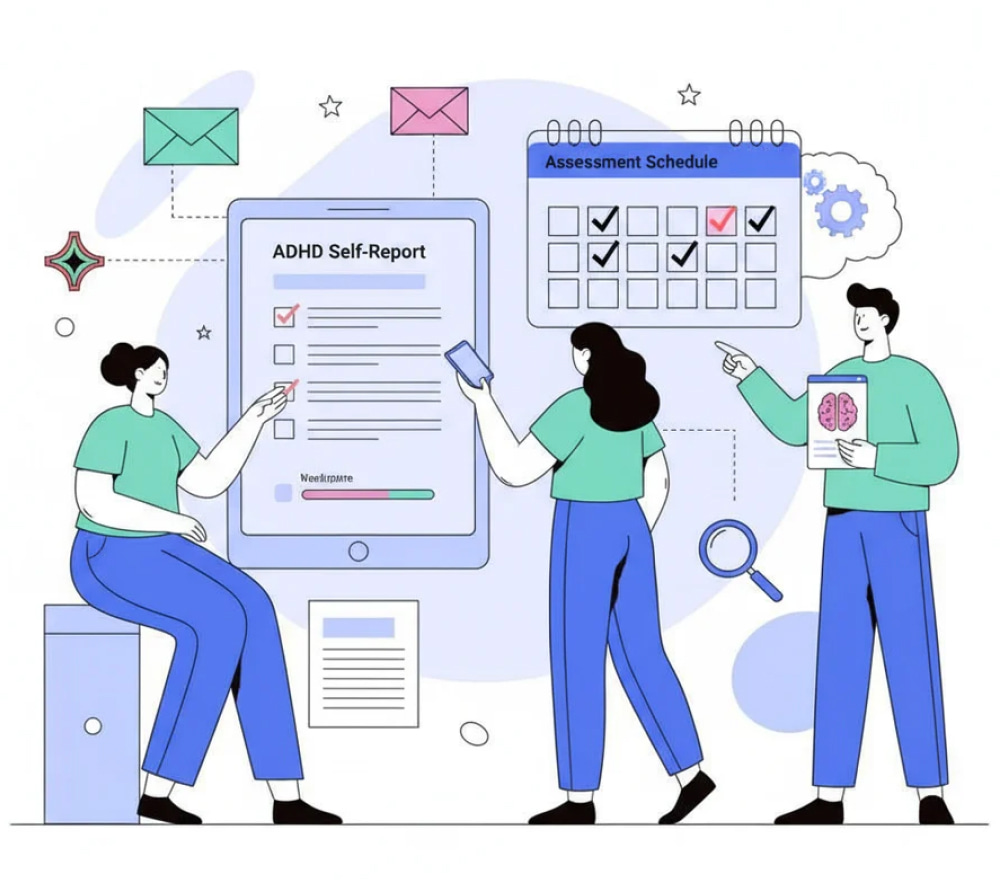
Digital screenings typically begin with standardized questionnaires that quantify symptom frequency and real‑world impact. These instruments translate subjective experiences into measurable scores, offering a structured snapshot of attention, organization, impulsivity, and follow‑through. Clear instructions, progress indicators, and adaptive branching reduce friction, while instant summaries make the process feel transparent instead of mysterious or intimidating.
After an initial screener, a structured adult ADHD test online often presents standardized questions that track inattentive and hyperactive‑impulsive domains. If you prefer a quick orientation, an online test ADHD adults option offers a short, educational snapshot before any formal assessment begins. Many platforms also request collateral input from a partner or colleague to capture behavior across contexts, which strengthens the signal and reduces bias that can creep into self‑assessment.
| Tool Type | Primary Purpose | Typical Time | Best Use Case |
|---|---|---|---|
| Brief Screener | Initial signal of symptom patterns | 5–8 minutes | Orientation before deeper evaluation |
| Full Questionnaire | Broader symptom and impairment profile | 15–25 minutes | Pre‑visit data for clinicians |
| Collateral Survey | Third‑party perspective for cross‑settings | 10–15 minutes | Improved reliability and context |
| Functional Checklist | Impact on work, home, and daily routines | 10–12 minutes | Goal setting and treatment planning |
- Expect clear scoring with ranges that flag when professional input is advisable.
- Look for explanations that distinguish traits from impairment, not just raw totals.
- Prefer platforms that save progress and allow secure sharing with a clinician.
Accuracy, Limits, and Best Practices for Interpreting Results
Screeners are powerful for pattern recognition, yet they cannot capture the full diagnostic picture on their own. Self‑report bias, recall issues, and day‑to‑day variability can shift scores by a meaningful margin, especially when stress or poor sleep is in play. The best approach blends structured tools with corroboration, clinical interviewing, and a review of functioning across several domains. With that combination, adults gain clarity without over‑relying on any single number.
Interpreting scores from an online ADHD test adults process requires context, because comorbid anxiety or sleep issues can mimic attentional challenges. When a diagnosis is confirmed, stepped care can include behavioral coaching supported by online adult ADHD treatment, medication management, and skills training. Sustained improvement often comes from habit design, calendar blocks, cueing systems, environmental tweaks, paired with compassionate accountability that turns insights into routines.
- Use the same device and time of day to reduce variability when retesting.
- Invite a trusted person to provide observations about real‑world behavior.
- Track impairment, not just traits, to guide meaningful goal setting.
- Bring printed or digital summaries to any clinical appointment for efficiency.
Access, Affordability, and Privacy Considerations
Digital tools have broadened access for busy professionals, caregivers, and students who struggle to attend in‑person visits. Transparent information about costs, data security, and evidence standards helps users choose a platform that respects both budget and privacy. Look for clear descriptions of what is included, how information is stored, and whether results are appropriate for self‑education, pre‑visit screening, or clinical decision‑making.
Budget‑conscious readers often start with a validated free online ADHD test adults resource to gauge whether more comprehensive evaluation is warranted. For those in rural areas, an ADHD online test adults screener removes travel barriers and can be taken on a smartphone during a lunch break. Regardless of price, ensure the site outlines data retention policies, encryption, and options to export results, because data stewardship is part of quality care.
- Confirm whether any fees include a clinician review or just automated scoring.
- Check if flexible spending or health savings accounts can be used for appointments.
- Prefer platforms that allow you to delete your account and data on request.
From Screening to Care: Building a Telehealth Pathway
Great outcomes depend on moving efficiently from insight to action. After screening, a well‑designed pathway funnels your information into a structured clinical intake, saving time and reducing redundancy. Clear coordination ensures your history, symptom patterns, and goals are front and center, which keeps the focus on function, how you work, plan, communicate, and recover mental energy throughout the week.
Intake typically begins with forms that mirror a full ADHD online assessment for adults, including DSM‑based checklists and function‑focused inventories. Afterwards, care plans evolve through monitored follow‑ups, and ADHD treatment for adults online can integrate coaching platforms, secure messaging, and e‑prescribing as appropriate. With routine check‑ins, small adjustments to routines, environment, and medication can compound into better reliability, calmer mornings, and more predictable productivity.
- Ask for measurable goals tied to real tasks, email triage, meetings, household logistics.
- Use shared dashboards to track progress and refine strategies between visits.
- Schedule brief “maintenance” sessions to prevent backsliding after early wins.
Choosing a Quality Service and Avoiding Red Flags
Selecting the right platform means verifying clinical credibility, data practices, and alignment with your needs. Reputable services explain their methods, cite validated instruments, and show who is on the clinical team. They also describe how they handle complex cases, when referrals are warranted, and what happens if your results do not suggest ADHD but you still need support for executive functioning or mood.
Check that the service offers a comprehensive online ADHD assessment for adults rather than a single brief questionnaire. Avoid vendors that promise instant certificates from an online ADHD assessment adults quiz without clinician involvement or identity verification. It is wise to confirm licensure across state lines, turnaround times for appointments, and whether the platform collaborates with your primary care clinician to ensure continuity and safety.
- Look for outcome tracking and transparent feedback loops after each session.
- Prefer providers who discuss sleep, stress, and learning differences as part of care.
- Read independent reviews that focus on responsiveness, not just marketing claims.
FAQ: Common Questions About Adult ADHD Screening Online
Are online screeners legitimate tools for adults?
Yes, when they use validated questionnaires and provide clear score interpretations, they can reliably flag patterns worth a clinician’s attention. They are not standalone diagnoses, but they are strong first steps that organize symptoms, guide conversation, and accelerate appropriate next actions.
What should I do if my scores are borderline?
Borderline results call for additional context: retake the screener on a rested day, invite collateral input, and review how symptoms impact work and relationships. If difficulties persist, schedule a professional evaluation that can rule in or rule out other explanations.
How do I protect my privacy while testing?
Choose platforms that detail encryption, data retention limits, and export controls. Create a unique login, avoid public Wi‑Fi, and review whether your information will be shared with any third parties. The ability to delete your account and data is a key quality signal.
Can online pathways prescribe medication?
Many telehealth clinics can manage treatment where legally permitted, often after a thorough evaluation and identity verification. Safe prescribing always includes monitoring, education about options, and coordination with your existing healthcare providers.
What if my results don’t suggest ADHD but I still struggle?
Executive functioning challenges can stem from stress, sleep disorders, mood concerns, or learning differences. Consider a broader evaluation and skills‑based coaching while addressing lifestyle factors such as routines, exercise, and task design to improve daily performance.
By understanding how digital tools fit within a rigorous care journey, adults can move from uncertainty to a tailored plan that supports focus, follow‑through, and long‑term well‑being.